
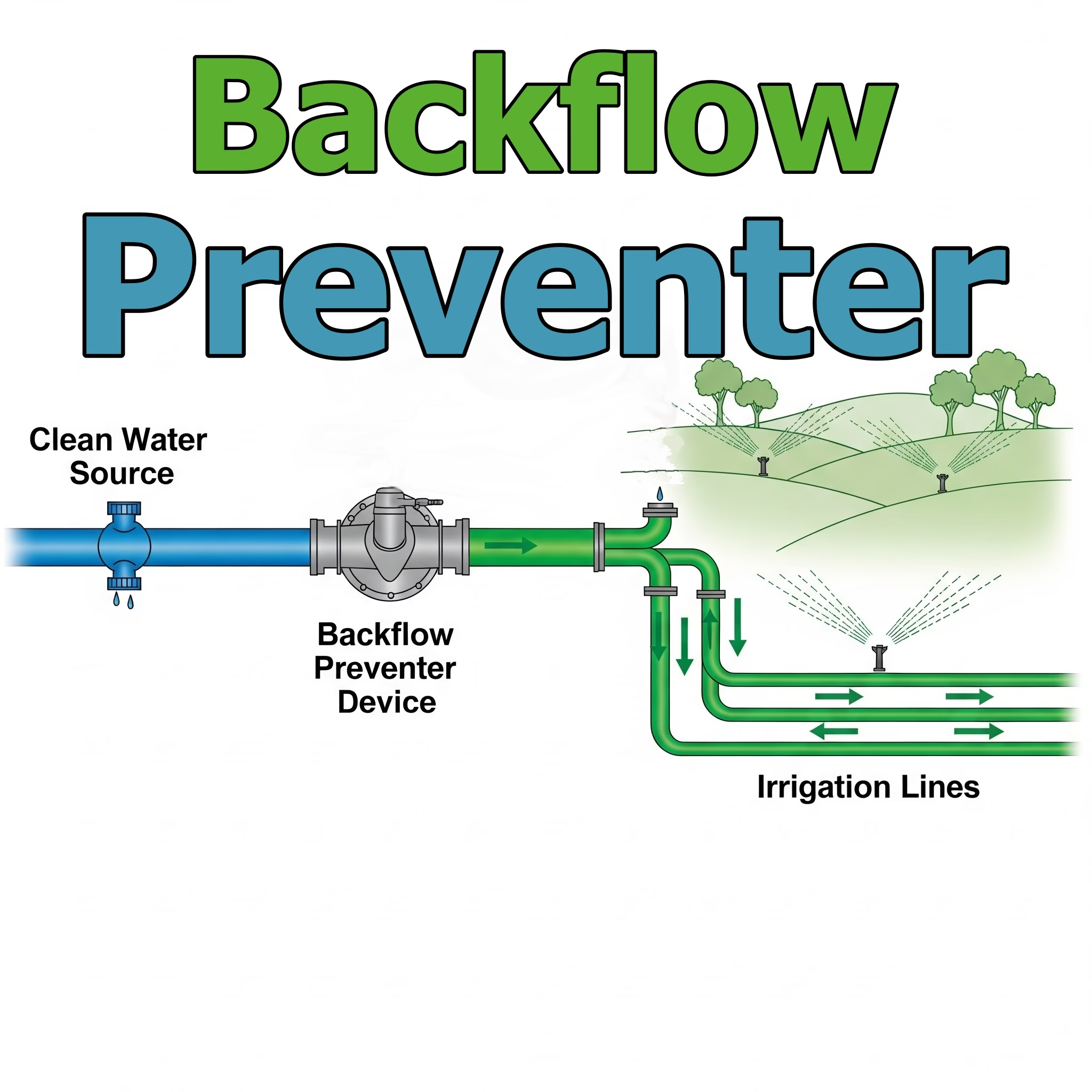
In irrigation, it is quite challenging to prevent the backflow of water.
Backflow can create many problems, which lead to irregularities in irrigation. To prevent such situations, the device called a “Backflow Preventer” has been innovated.
A backflow preventer is a simple device that stops the water from flowing backward to the main water supply. When installed properly in your irrigation system, this unassuming piece of equipment becomes your first line of defense.
In this post, we’ll explore everything you need to know about irrigation backflow preventers, from how they work to why they’re essential, and how to maintain them properly.
What Is a Backflow Preventer?
As the name indicates, the backflow valve prevents the water from flowing to the opposite side.
It prevents water from flowing backward (or “backflowing”) into your potable water supply when pressure conditions reverse.
Think of it like a one-way door, only letting water flow in one direction to properly operate sprinklers, drip lines, and landscape features. But if something causes pressure to reverse, the backflow preventer seals itself shut, blocking any contaminated water from entering your clean water supply.
Without backflow preventers, pesticides, fertilizers, chemicals, and even pathogens used in irrigation systems could potentially contaminate the municipal water supply, affecting entire communities.
Types of Backflow Prevention Devices
Not all backflow prevention devices are treated as equal. Different use cases need different backflow prevention devices, classified by how well they prevent backflow and what types of contaminants they guard against.
Double Check Value Assemblies (DCVA)
This is the popular backflow preventer in the residential use case because of cost effectiveness and ease to install.
DCVA has two independently operating check valves. If the first valve fails, the second provides backup protection. These are considered less reliable than other types but are acceptable for most irrigation applications where the risk of severe contamination is low.
They’re compact, relatively simple to install, and require straightforward maintenance. However, they’re not suitable for situations with high contamination risks.
Pressure Vacuum Breakers (PVB)
Another widely used residential and commercial backflow preventer, although it is designed to prevent siphonage of water being sucked backward due to pressure loss in the main line.
PVB prevents backsiphonage by using the spring-loaded check valve and the air inlet valve that opens to the atmosphere when pressure drops, breaking the vacuum created.
They’re less effective against backpressure situations but are excellent for protecting against the most common type of backflow in residential systems.
However, they have seasonal limitations in freeze-prone climates and require specific installation positioning.
Atmospheric Vacuum Breakers (AVB)
AVBs are simple and least expensive backflow preventer devices operating like one-way air vents.
It allows the water to enter the pipe when pressure drops, preventing backsiphonage.
AVBs are appropriate only for very low-risk situations and cannot protect against backpressure conditions. They’re rarely used in modern systems but may be found in older installations.
Reduced Pressure Zone (RPZ) Assemblies
This is the golden standard of backflow prevention, providing the highest level of protection.
The device contains two independent check valves and one spring-loaded relief valve. If both check valves fail, the relief valve automatically opens to release water, ensuring contamination cannot enter the main supply.
RPZ devices are required in many jurisdictions, especially for commercial properties, agricultural systems, or situations where the irrigation system might be exposed to highly toxic chemicals.
Choosing the Right Backflow Preventer for Your System
Selecting the correct backflow preventer is dependent upon several factors.
Assess Your Contamination Risk
It is important to know what substance is present in your irrigation system.
A residential landscape using only water and basic fertilizers presents lower contamination risk than a commercial nursery applying pesticides and fungicides. Higher-risk situations require more robust protection devices like RPZ assemblies.
Consider System Complexity
Simple residential irrigation systems adequately function with a double check valve assembly.
Complex systems with multiple zones, booster pumps, or connections to alternative water sources typically require RPZ protection.
Check Legal Regulation
It is not always water pressure or cost or any other factor; it is checking what type of backflow preventer is needed in your area.
Some jurisdictions mandate specific device types, while others offer options. Never assume you can choose based solely on cost—regulatory compliance is mandatory.
Account for Climate
If you live in a freezing temperature area, ensure your chosen device is rated for freeze protection or plan for proper winterization procedures. Freeze damage is a leading cause of backflow preventer failure in cold regions.
Budget
The final thing to consider is your budget, and you should consider the factors of ongoing testing and maintenance expenses.
RPZ devices cost more upfront but provide superior protection and might have lower long-term costs when you account for liability and contamination risk.
Common Backflow Preventer Problems
It is not always good to have issues with the backflow preventer in your irrigation system.
Recognizing warning signs helps you address issues before they compromise your system’s protection.
Reduced Water Pressure
If your irrigation system suddenly operates at lower pressure than normal, it could be that the backflow preventer is clogged or damaged.
Have a professional inspect the device immediately. Reduced pressure doesn’t necessarily mean the device is failing, but it indicates the device is working hard and may need servicing.
No Water Flow
This is an extreme situation. If the backflow preventer completely fails, your irrigation supply stops, making your system completely unprotected until the device is repaired or replaced.
Leaking or Weeping
A small amount of water loss is normal, particularly from the relief valve port.
However, active water leaking from the device body suggests internal seal failure. This requires professional service or replacement.
Failed Testing
An annually tested backflow preventer that fails provides zero protection and is typically not legal to operate. Don’t ignore failed test results—address them right away.
The Bottom Line
Investing in a backflow preventer safeguards your irrigation system and prevents the potential costs of contamination incidents or system failure.
Whether installing a new irrigation system or evaluating an existing one, making a backflow preventer a priority is essential. Commit to annual testing and maintenance. Stay vigilant for warning signs that your device needs service.
Do remember, your backflow preventer might be a small device, but its impact on water safety is enormous.
Leave a Reply