
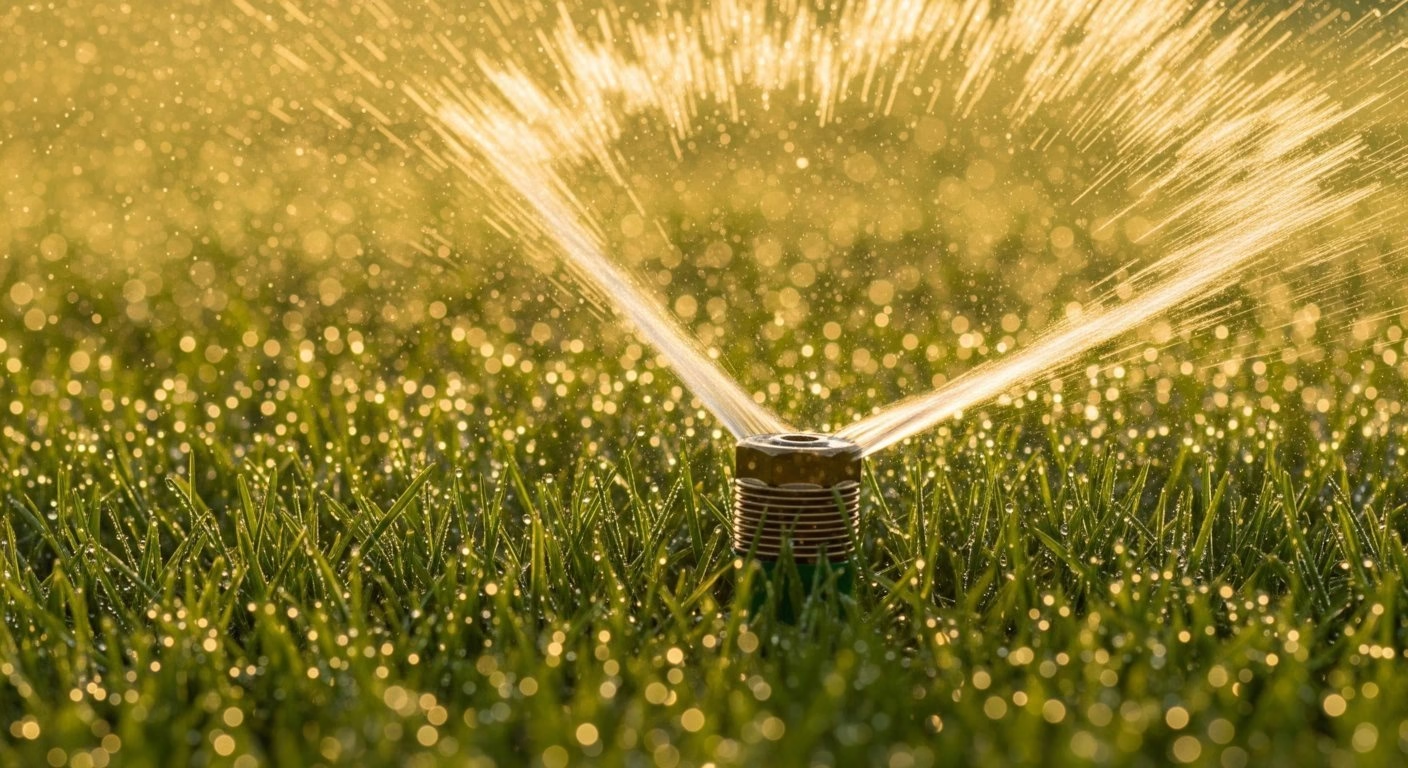
The sprinkler system is the method to maintain the lush greenery in the landscape. To work the sprinkler properly, the nozzle is the key component.
The nozzle decides how the water should spray, which leads to the coverage area of the sprinkler.
Whether you’re a homeowner looking to improve your lawn’s health, a landscaper managing multiple properties, or a facilities manager overseeing large-scale irrigation projects, understanding sprinkler nozzles is essential for achieving optimal results while conserving water and reducing costs.
In this comprehensive guide, we’ll explore everything you need to know about sprinkler nozzles—from the different types available to how to select the right one for your needs, and practical tips for maintenance and optimization.
What Are the Sprinkler Nozzles and Why Do They Matter?
Sprinkler nozzles are the part of the sprinklers attached to the sprinkler head, determining the spraying pattern, radius, and flow rate.
In sprinkler systems, nozzles are the end point and the important component. The right nozzle can mean the difference between a lush, green landscape and one plagued by dry spots, overwatering, and wasted resources.
The importance of selecting and maintaining quality sprinkler nozzles cannot be overstated. Studies show that properly configured irrigation systems can reduce water usage by up to 50% compared to poorly maintained ones.
Additionally, the right nozzles help ensure even water distribution, reduce runoff, minimize water waste, and contribute to healthier plant growth and root development.
Types of Sprinkler Nozzles
Sprinkler nozzles come in various types and designs, each made to serve the particular application requirement and coverage patterns.
Fixed Fan Nozzles
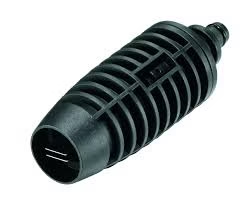
As a name, this is a fixed nozzle not having any moving part and is the most common type of nozzle found in commercial and residential use cases.
These nozzles deliver water in a fan-shaped spray pattern at a fixed angle, typically ranging from 40 to 360 degrees. They’re ideal for rectangular areas and can be arranged to provide complete coverage of an area without overlap or gaps.
The advantage of fixed nozzles is their simplicity, reliability, and affordability, and they are also relatively easy to adjust and maintain. However, their fixed pattern means they’re not as adaptable to irregular shapes or areas with obstacles.
Variable Arc Nozzles
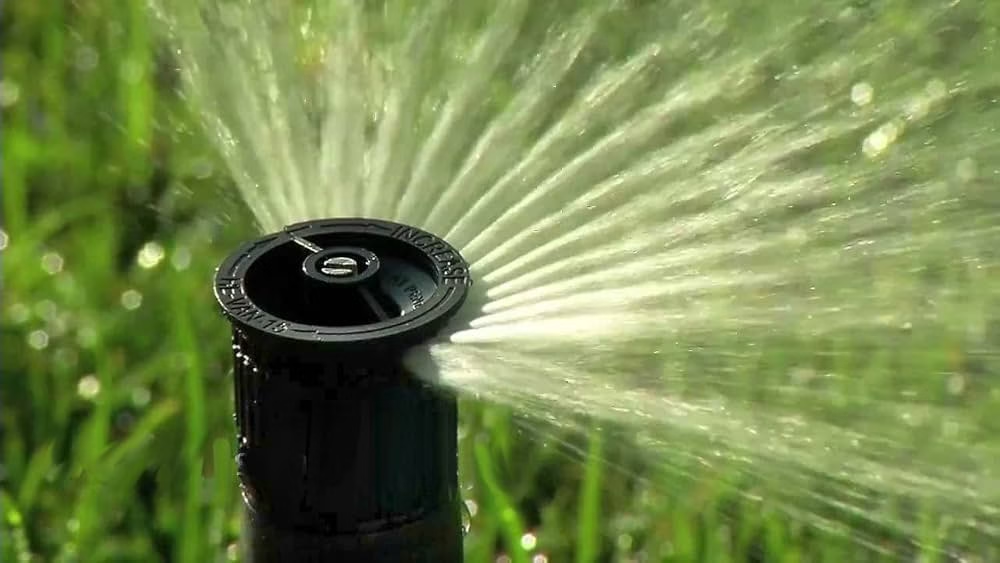
Contrary to fixed nozzles, variable nozzles are adjustable spray pattern nozzles.
These nozzles allow you to adjust the spray arc after installation, typically ranging from 25 to 360 degrees. This flexibility makes them perfect for properties with irregular shapes or landscaping features that require customized coverage patterns.
The variability often results in better water distribution and can help eliminate dry spots or areas of overwatering.
Micro Sprinkler Nozzles
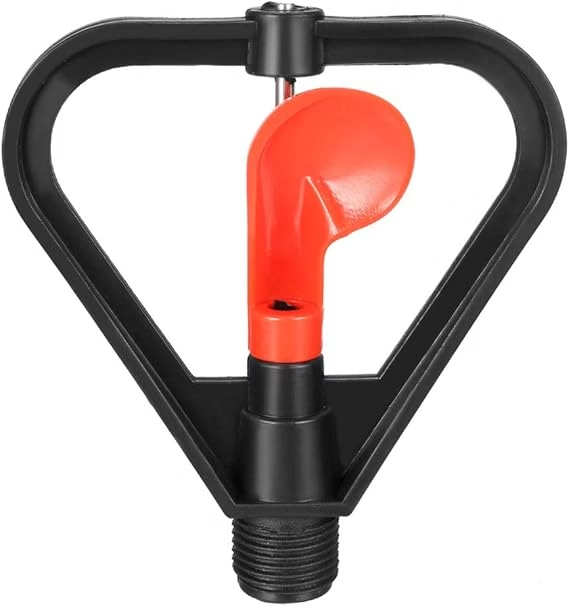
Micro sprinkler nozzles are made for micro sprinklers to deliver the water slowly (typically ranging from 0.5 to 10 gallons per hour) in controlled streams.
For detailed landscaping, container gardens, flower beds, and vegetable gardens, micro sprinkler nozzles are the solution.
Also, perfect for plants with specific watering needs and help prevent overwatering delicate plants. They’re also ideal for areas where water conservation is a priority.
Their compact size and low flow rates make them excellent for drip irrigation systems and targeted plant watering.
Bubbler Nozzles
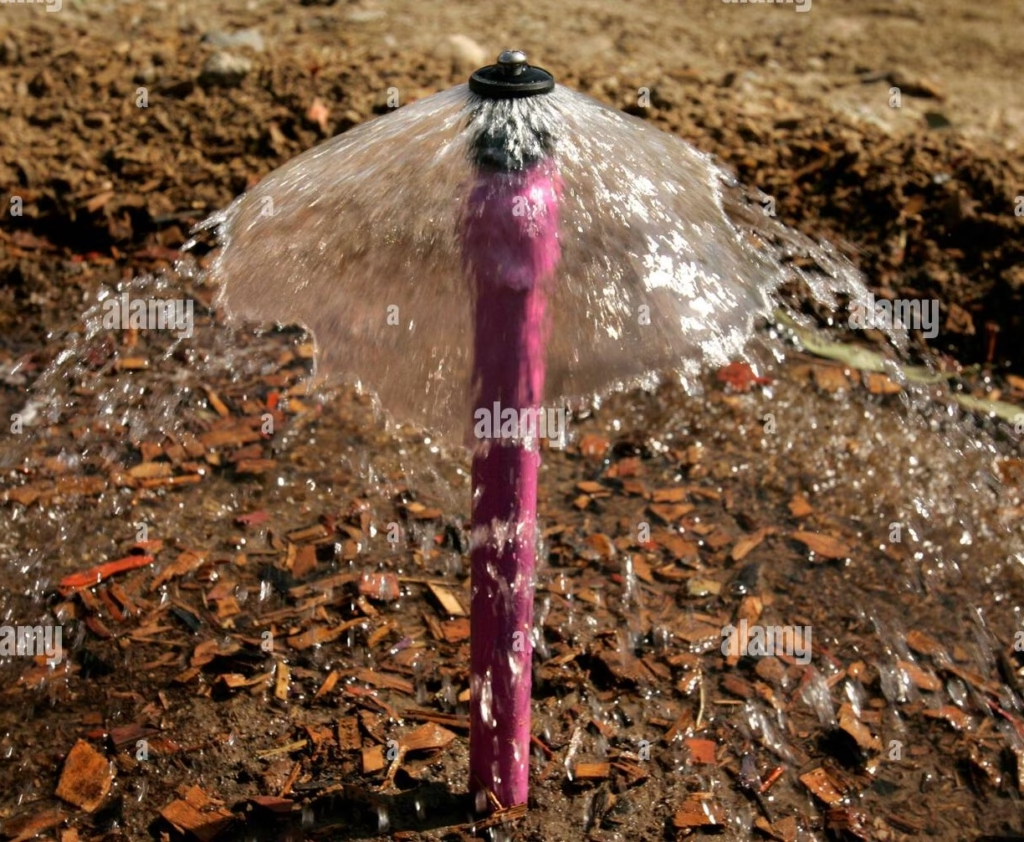
Bubbler nozzles, AKA fountain nozzles, release the water slowly in a gentle low-flow stream.
Rather than spraying water across a distance, bubblers release water near the base of plants, minimizing evaporation and runoff.
This makes them ideal for tree and shrub watering. Particularly effective for hand watering and targeted irrigation, and they’re excellent for properties with sloped terrain where runoff might be problematic.
They’re also beneficial in arid climates where water conservation is critical.
Rotor Nozzles
Expensive and used for large irrigation processes like golf courses, large lawns, and commercial properties.
In rotor nozzles, instead of a steady spray, rotor nozzles use internal mechanisms to create a rotating stream of water that covers a circular area. They’re typically more durable than fan nozzles and can handle higher water pressures.
They deliver water more uniformly over larger areas and can reduce water waste in expansive landscapes.
However, they’re more expensive, require more maintenance, and may not be suitable for small residential yards.
Stream Turbine Nozzle
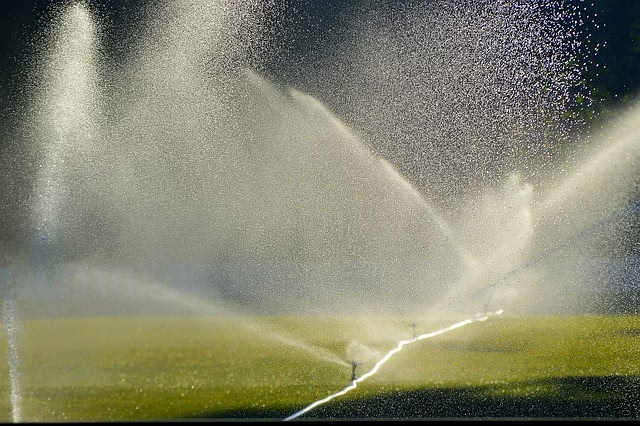
Stream turbine nozzles offer a middle ground between fixed fan nozzles and full rotor systems, making them versatile for medium to large areas.
Stream turbine nozzles use a rotating turbine mechanism to create multiple streams that rotate in a circular pattern.
These nozzles provide excellent coverage uniformity and are durable enough for both residential and commercial applications.
Factors to Consider When Choosing a Sprinkler Nozzle
Selecting the right sprinkler nozzles involves multiple factors specific to your property and irrigation needs.
Coverage Area and Shape
The first thing before installing the nozzles is to assess the area.
Small, rectangular residential lawns typically work best with fixed fan nozzles arranged in patterns. Larger areas benefit from rotor nozzles, while irregular shapes may require adjustable arc nozzles for optimal coverage.
Water Pressure
While choosing the nozzle, keep it in mind to choose only those nozzles made for the particular water pressure.
For example, most residential systems operate at 40–60 PSI (pounds per square inch), while commercial systems might operate at higher pressures.
Purchasing suitable nozzles saves you from poor performance, uneven coverage, or excessive wear.
Soil Type and Drainage
Different soil types have different water requirements that lead to the selection of nozzles to deliver the water.
Sandy soils drain quickly and may require different nozzles than clay soils that retain water longer. In sandy soils, you might need nozzles that deliver water more slowly to allow for proper absorption. Clay soils, conversely, may benefit from nozzles that help prevent pooling and runoff.
Climate and Seasonal Consideration
Different climatic conditions require different irrigation requirements. Arid climates demand efficient, low-flow nozzles that minimize waste, while temperate climates might allow for more liberal watering.
Seasonal changes also affect water requirements, with summer typically demanding more irrigation than spring or fall.
Vegetation Type
Different plants need different water requirements. The plant I grow requires 10–18 liters of water during the summer, so I chose the sprinkler with the rotor nozzles.
Turf grass typically needs sustained irrigation, while gardens, shrubs, and trees might require more targeted watering. Matching nozzle types to vegetation types ensures each plant receives appropriate moisture levels.
Budget Constraints
While quality nozzles are essential, they come at various price points. Residential systems might opt for affordable fixed fan nozzles, while commercial applications might justify the higher cost of premium rotor systems.
Consider the long-term savings from efficient water use when evaluating budget.
Common Problems and Solutions
Even with quality nozzles, issues may arise. Here are common problems and how to address them:
Overwatering
Excessive water coverage in some areas often results from incorrect nozzle selection, excessive overlap, or excessive operating pressure. Adjust spray angles, reduce overlap, or switch to lower-flow nozzles.
Dry Spots
Usually caused by clogged nozzles, misaligned spray patterns, or inadequate flow. Clean affected nozzles, adjust angles, and verify adequate water pressure.
Leaking Nozzles
Leaks typically result from worn seals or cracks. Replace the nozzle entirely rather than attempting repairs.
Inconsistent Spray Patterns
Mineral deposits or internal wear cause uneven spraying. Clean the nozzle; if problems persist, replacement is necessary.
Water Pressure Issues
If your system can’t maintain consistent pressure, underlying issues with the water supply, pump, or main line may exist. Address these fundamental issues before optimizing nozzles.
Last Words…
Nozzles are an important part of the sprinkler system, yet they’re often overlooked when homeowners and property managers consider their landscape maintenance.
Understanding the various types of nozzles available, selecting those appropriate for your specific application, and maintaining them properly can dramatically improve your landscape’s health while conserving valuable water resources and reducing costs.
The small investment in quality nozzles and proper maintenance pays substantial dividends through improved aesthetics, environmental stewardship, and financial savings that compound over years.
Leave a Reply