As water becomes scarier, the biggest water usage happens in agriculture, which also gets affected.
Effective and efficient usage of water in agriculture relies on correct water management.
To correctly manage water, many ways emerged; one of them is using the micro irrigation system.
This comprehensive guide explores everything you need to know about micro irrigation systems, from their fundamental principles to practical implementation strategies.
What Is Micro Irrigation?
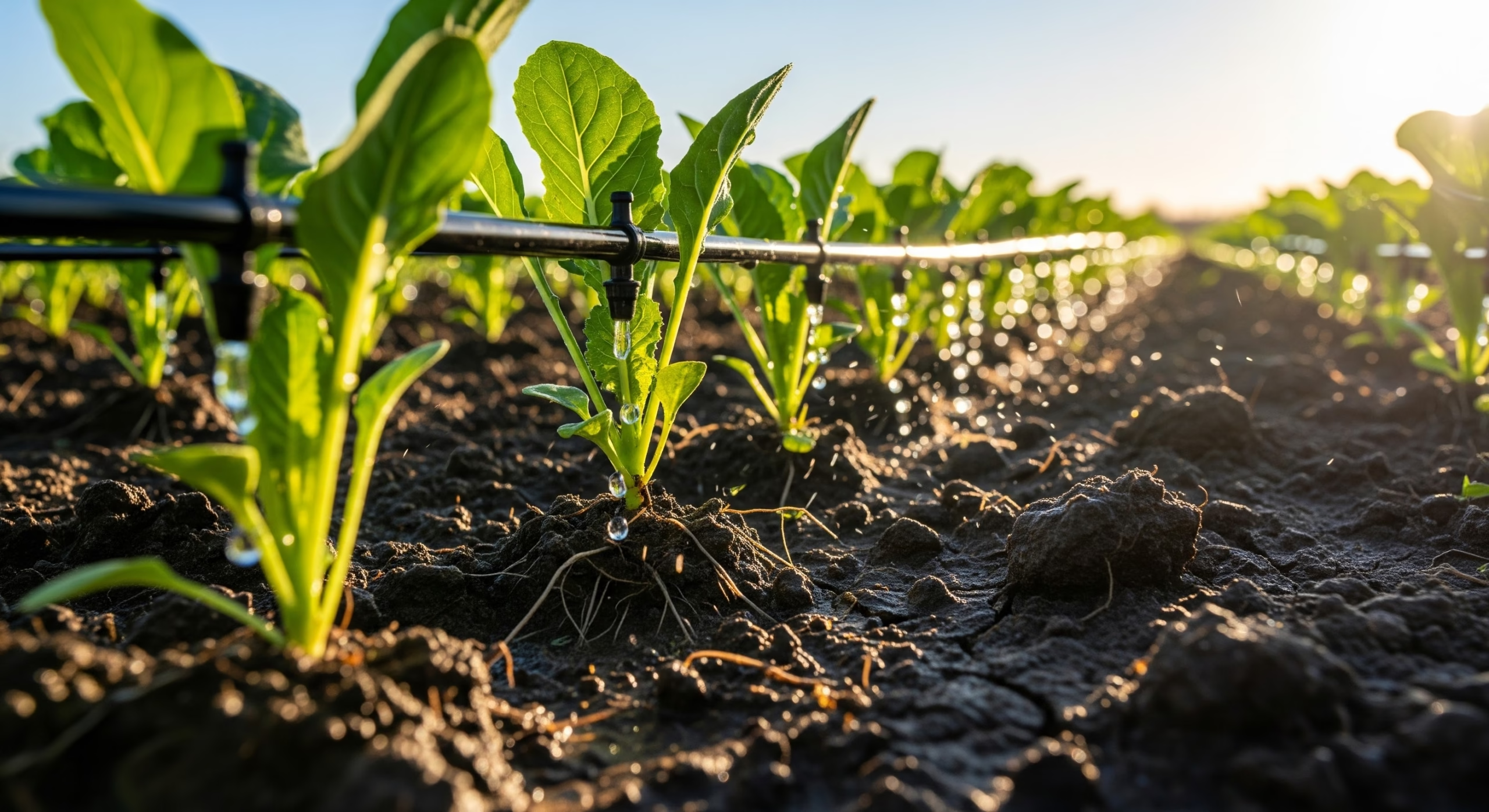
Micro irrigation is a modern irrigation method focusing on delivering water directly to the root of the plant through small-diameter tubing and emitters.
Unlike traditional irrigation like flood and furrow irrigation, or even modern methods like sprinklers delivering water to the entire field, micro irrigation systems apply water precisely where it’s needed, in small quantities, often multiple times throughout the growing season. This targeted approach ensures minimal water wastage while maximizing the efficiency of nutrient uptake and plant growth.
This precision is achieved by delivering water through mainlines and sublines, then distributing it via laterals to individual emitters positioned near plant roots.
Types of Micro Irrigation
Different types of crops, field layout, and water sources call for different types of micro irrigation approaches.
Drip Irrigation
One of the popular micro irrigation systems. Water is delivered through the emitters in a regular interval directly to the plant root zone.
Drip lines can be surface-applied or buried, and they can deliver water at rates ranging from 0.5 to 4 gallons per hour per emitter.
This method works exceptionally well for row crops, vegetables, fruits, and nursery operations.
Micro Sprinklers
Micro sprinklers also use the emitters to deliver the water however the difference for sprinkler and drip is. The sprinkler emits water in a small spray pattern, covering a circular or semi-circular area around each plant.
Micro sprinklers work well for orchards, vineyards, and landscape applications.
Subsurface Drip Irrigation
Drip lines are buried 6 to 12 inches below the soil surface.
This method minimizes evaporation, reduces weed growth, and protects equipment from surface damage. While installation costs are higher, the long-term benefits often justify the investment for permanent or semi-permanent installations.
Bubbler Irrigation
Here, water flows in small streams or bubbles, typically at higher flow rates than drip emitters. They’re particularly useful for widely spaced plants like trees and shrubs, as they allow water to pool around the plant base before infiltrating the soil.
Key Components of a Micro Irrigation System
Understanding the key components of a micro irrigation system plays a crucial role in the system’s overall performance and longevity.
Water Source and Filtration
Most of the water sources can be well. Pond, river, or municipal supply. Regardless of the source proper filtration is essential to prevent clogging and small emitters.
Most systems include sand filters, screen filters, or disc filters that remove sediment, algae, and other particles.
Filtration is perhaps the most critical factor in micro irrigation system longevity—inadequate filtration is the leading cause of emitter failure.
Main and Submain Line
Main and submain lines deliver the water directly from the source to different zones of the field. Main lines are typically made from PVC or polyethylene and are sized based on flow requirements and distance from the water source.
Lateral Line
Main and submain lines deliver water directly from the source to different zones of the field.
Main lines are typically made from PVC or polyethylene and are sized based on flow requirements and distance from the water source.
Emitters
This is the endpoint of the micro irrigation system that delivers water directly to the root of the plant.
Emitters come in different types: drip emitters for individual plants, drip lines for continuous row irrigation, and micro sprinklers for wider coverage areas. Modern emitters are often self-cleaning or pressure-compensating, which helps maintain consistent flow rates even when water pressure fluctuates.
Pressure Regulator and Controllers
Proper pressure maintenance is essential for the micro irrigation system to function effectively.
Pressure regulators maintain consistent pressure throughout the system, while controllers can automate watering schedules based on timers, soil moisture sensors, or weather data.
Valves and Fittings
Various valves and fittings control the flow to different zones, allowing you to apply water selectively.
Check valves prevent backflow, and zone valves allow you to run different sections independently, which is essential for managing water distribution across varied terrain or different crop types.
Benefits Of Micro Irrigation System
Micro irrigation has many benefits beyond simple water savings. These systems offer multiple benefits that impact agricultural productivity, environmental sustainability, and farm economics.
Water Conservation
For hot and arid climates, micro irrigation means profitability or bankruptcy.
Because micro irrigation applies water directly to the root zone, there is minimal evaporation. That’s why micro irrigation saves 50 to 60% water compared to conventional irrigation methods.
Improved Fertilizers Efficiancy
Fertigation is possible with a micro irrigation setup because it delivers water along with the necessary fertilizer directly to the plant root zone. Fertilizer use efficiency increases dramatically, often by 50 percent or more. This reduces input costs and minimizes environmental pollution from nutrient runoff.
Increase Crop Yield
Increasing crop yield is a direct result of precise irrigation with necessary nutrients, eliminating the boom-and-burst cycle of alternating flood and dry periods.
Micro irrigation plants receive water when they need it, in the amount they need, which optimizes nutrient uptake and biomass accumulation. Studies consistently show yield increases of 20 to 30 percent or more compared to conventional irrigation methods.
Reduced Labor Cost
Once installed, micro irrigation is easy to operate and requires no need for human intervention. Automation and timers further reduce the need for manual labor, allowing a single manager to oversee much larger areas.
Flexibility and Precision
Modern micro irrigation systems can be equipped with sensors, controllers, and variable frequency drives that adjust water delivery based on real-time soil moisture, plant water stress, or weather conditions.
Disease Reduction
Because micro irrigation keeps foliage dry, it reduces the incidence of fungal and bacterial leaf diseases. This can significantly reduce pesticide application needs while improving overall plant health.
Maintenance and Trouble Shooting
Regular or even occasional maintenance keeps micro irrigation efficient and extends its lifespan.
Filtration and Cleaning
Regular filter cleaning is non-negotiable or even though you have to clean filters and gauges when water pressure drops than the recommended level.
During off-season, remove and thoroughly clean filters and screens.
System Pressure Monitoring
Maintaining the system pressure helps longevity of the system, efficiency and evenly distributes water.
Check system pressure gauges regularly. Unexpected pressure drops indicate leaks or clogs. Pressure increases suggest filter plugging.
Emitter Inspection
Periodically inspect the emitters for clogging and damage.
Organic matter, mineral deposits, or sediment can clog small openings. Self-cleaning emitters reduce this risk, but regular flushing of lateral lines remains important.
Seasonal Maintenance
When in the unseason it is better to Inspect all above-ground components for damage and store removable equipment properly. At season start, inspect all lines for cracks or deterioration, replace damaged sections, and thoroughly flush the system before operation.
Before seasonal shutdown, drain the system completely to prevent ice damage in cold climates.
Common Problems and Solutions
To tackle uneven water distribution, it is better to use pressure regulators or divide the system into smaller pressure zones.
Low flow rates indicate clogging—increase filtration frequency and consider installing strainers. Leaking connections typically require tightening or washer replacement. Frozen lines in winter climates necessitate proper drainage and insulation.
Conclusion
In a world where concern about water conservation and environmental health is rising, micro irrigation offers a sustainable and efficient way to irrigate.
Not only does it save water, it also reduces irrigation costs. Whether you operate a small vegetable garden or a large commercial farm, micro irrigation offers substantial benefits worth serious consideration.
Micro irrigation’s efficiency advantages become ever more valuable, positioning it as a cornerstone technology for the future of global agriculture.
The transition from conventional to micro irrigation requires upfront investment and learning, but the long-term advantages—improved yields, lower operating costs, reduced environmental impact, and greater farm resilience—make it an increasingly essential practice for forward-thinking agricultural operations.
Leave a Reply