You’re invested in the best irrigation system and have automated it down to the hour. Your seeds are in the ground, the season is about to kick off, and then you look out at your fields and see them.
Weeds…
These unwanted guests not only look bad but also quietly drain your resources, compete with your crops for every drop of water you put into the field, and in some cases, they can physically damage the irrigation infrastructure you’ve worked hard to build.
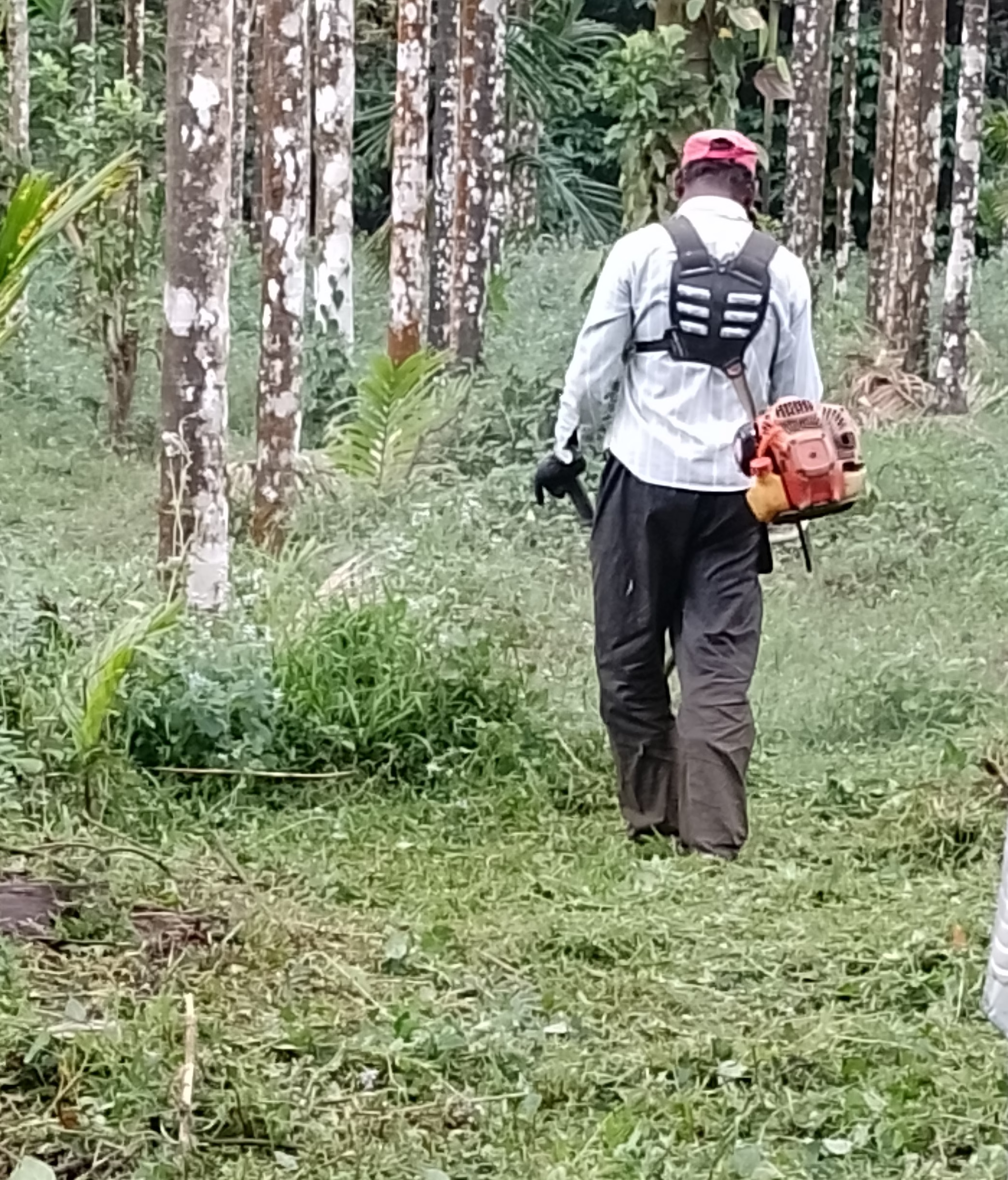
In my personal experience, I remove the weeds when starting the sprinkler irrigation system, and in a short period of time, they appear as if nothing happened, making it difficult to change the sprinklers or even move around the field.
In this guide, we’re going to break down exactly how weeds affect your irrigation, from water competition to soil moisture loss to clogged drip lines, and explain why getting rid of them before you fire up your irrigation system at the start of the season is one of the best agronomic decisions you can make.
How Exactly Do Weeds Affect Irrigation?
Your goal is simple: irrigate the crops, making sure crops get the most amount of water to the root zone of the plant. But the moment weeds are present in your field, that goal becomes a lot harder to achieve.
Here is why…
Weeds Need More Water
Weeds are water suckers because of fast growth. They need more water, no matter what type of weeds like farm weeds, pigweed, nutsedge, bindweed, barnyard grass.
Think about it this way: every weed in your field is essentially another plant drawing from the same water budget you’ve allocated for your crops.
On a small scale, this might seem manageable. But when you’re dealing with moderate to heavy weed pressure across several acres, the cumulative water loss is higher.
Weed Increase the Evapotranspiration Rate
Evapotranspiration rate (ET) is calculated by combining evaporation from the soil surface and transpiration from plant leaves.
To be honest, I never thought that the way water is released by plant photosynthesis also affects irrigation. Before knowing this, I delayed the process of removing weeds because of the misconception that they hold most of the water because they act like mulch blocking sunlight.
However, the problem is weeds add to the total plant cover in your field, which means they add to the total transpiration load. More plant mass means more water being released into the atmosphere through leaf stomata, and that water has to come from somewhere. It comes from your soil moisture, which means it comes from your irrigation supply.
Disrupting Soil Moisture Distribution
To suck water, weed roots vary widely. Some are shallow and fibrous, quickly soaking up surface moisture before it can percolate deeper. Others are deep-rooted, pulling moisture from lower soil layers that your crops depend on during dry spells.
The problem arises when weed roots and crop roots occupy the same soil zone; they create an uneven pattern of moisture depletion.
For farmers having to maintain soil moisture levels and use soil moisture sensors and evapotranspiration data, this is particularly problematic. The presence of weeds can throw off your sensor readings and give you inaccurate data, leading to poor irrigation scheduling decisions.
How Weed Physically Damages Irrigation Systems?
Weed growth not only affects irrigation, it also damages the irrigation system physically, which leads to inefficient irrigation problems that are expensive to fix and frustrating to deal with mid-season.
Tangaling and Damaging Surface Drip Lines
The most popular irrigation system, drip irrigation, used in a variety of landscapes and coming with many types, is vulnerable to weed interference.
The most common hurdle you’ll face with the drip system is weed stems can wrap around drip lines, creating stress points that lead to kinks and cracks. In dense weed infestations, it can become almost impossible to move or reposition drip equipment without damaging it.
This might look like a minor inconvenience, but replacing damaged drip tape is a real cost—both in materials and in the labor hours required to do it correctly.
Clogging Drip Emitters and Micro Sprinklers
The major vulnerability of drip and micro sprinklers is clogging. Drip emitters or micro sprinklers can easily get clogged, leading to uneven water distribution and even major irrigation disturbance.
The common clogging reason is weed root intrusion. Weed roots, particularly from aggressive species like nutsedge, are notorious for finding their way into drip lines. These roots can infiltrate emitter openings, grow inside the tubing, and cause significant flow disruption. By the time you notice that an emitter is blocked, you may already have a section of field that has been under-irrigated for days or weeks.
Even if the weed root does not enter directly, decomposing weed organic matter near emitters can contribute to biofilm buildup and mineral deposits that reduce flow rates over time.
Interference with Sprinkler Coverage
As I mentioned earlier, in sprinkler systems it is difficult to penetrate weeds to reach the actual crop root zone.
Certain areas of the field get more water, while others are shadowed by weed growth, leading to patchy irrigation patterns that are hard to correct without first addressing the weed problem.
Also, ivy weed can grow in hours to penetrate sprinkler propellers and nozzles to create disturbance.
Weed Management Plan Into Your Irrigation
Prevention is better than cure, so it is important to manage weed growth so that later when you decide on irrigation, it won’t create big trouble.
Here’s how to think about integrating weed management with your irrigation planning.
Align Your Weed Control Timing With Your Irrigation Startup Date
Usually, I start to remove weeds 10 to 15 days before starting the irrigation system.
Similarly, you can give yourself enough lead time to complete your pre-season weed control well before you need to turn the water on. Rushing this step often leads to partial control and weed escapes.
Map Your Weed Pressure
Prior to starting irrigation, walk around the field to identify where weed pressure is heaviest. Certain species and certain areas of the field often repeat year after year. These hotspots deserve targeted attention before irrigation begins.
Inspect Irrigation Equipment At the Same Time
When installing the irrigation system, check drip lines, emitters, filters, and connections for damage or clogging from the previous season. Clean, flush, and repair before the season starts.
Monitor and Respond Early
No matter how clean you remove the weeds when irrigation starts, some of them will grow.
Even with effective pre-season control, some weeds will emerge after irrigation begins. Set thresholds for acceptable weed density and respond with cultivation or spot treatment before weeds reach competitive size.
Keep Record
Track which weed species are present, what control methods you used, and how well they worked.
Over multiple seasons, this data will help you refine your approach and reduce weed pressure systematically.
Weed Control (Killing) Strategies
Previously, we knew the weed management plans to avoid weed growth. Now it is time to know exact strategies to remove weeds before irrigation starts.
Tillage Based-Controle
Tillage or plowing the land is one of the oldest weed control strategies before planting and irrigation begins.
The process physically destroys emerged weeds and buries weed seeds, reducing their germination rates.
However, keep in mind the “stale seedbed” concept because tillage also brings buried weed seeds to the surface, which can actually stimulate a flush of new germination.
Use Pre-Emergent Herbicide
When weed seeds start growing, apply pre-emergent herbicide, which creates a chemical barrier in the soil surface that prevents seedlings from establishing.
Before applying the herbicide, it’s essential to choose pre-emergent products that are labeled for your specific crop and that are compatible with your local weed species.
Also note that many pre-emergent herbicides require incorporation into the soil by rainfall or irrigation to activate. This makes pre-season application particularly logical—your first irrigation event can activate the herbicide and establish your chemical barrier right when the season begins.
Use Mulching or Covers
Mulching or using covers is the best option if you do not want to disturb the soil by plowing or using any chemical to prevent weeds.
Covering the crops or mulching not only prevents weed growth but also conserves soil moisture, reducing your irrigation requirement in the early season.
However, mulching or plastic covers works well with irrigation like drip, which allows targeted irrigation and small crops like vegetables, tree fruits, and berries. It is not effective with sprinkler irrigation systems for large commercial crops.
Flame Weeding
This technique is also used for young weed seedlings in the growth stage before irrigation starts.
Flame weeding is done through propane gas-fueled equipment to pass intense heat over young weed seedlings, disrupting their cell structure and killing them without chemical inputs.
The Bottom Line…
The bottom line is simple: removing weeds before the irrigation season starts is a good thing.
Weeds steal water from your crops. They disrupt soil moisture patterns. They add to your field’s evapotranspiration load. And they can physically damage the irrigation infrastructure you depend on to keep your crops alive and productive.
If you only have time for one major field task before the water goes on this season, make it weed control. Your crops and your water bill will thank you.
Leave a Reply